
Christina Ware Is Building Bridges Detroit Can't Afford to Miss.
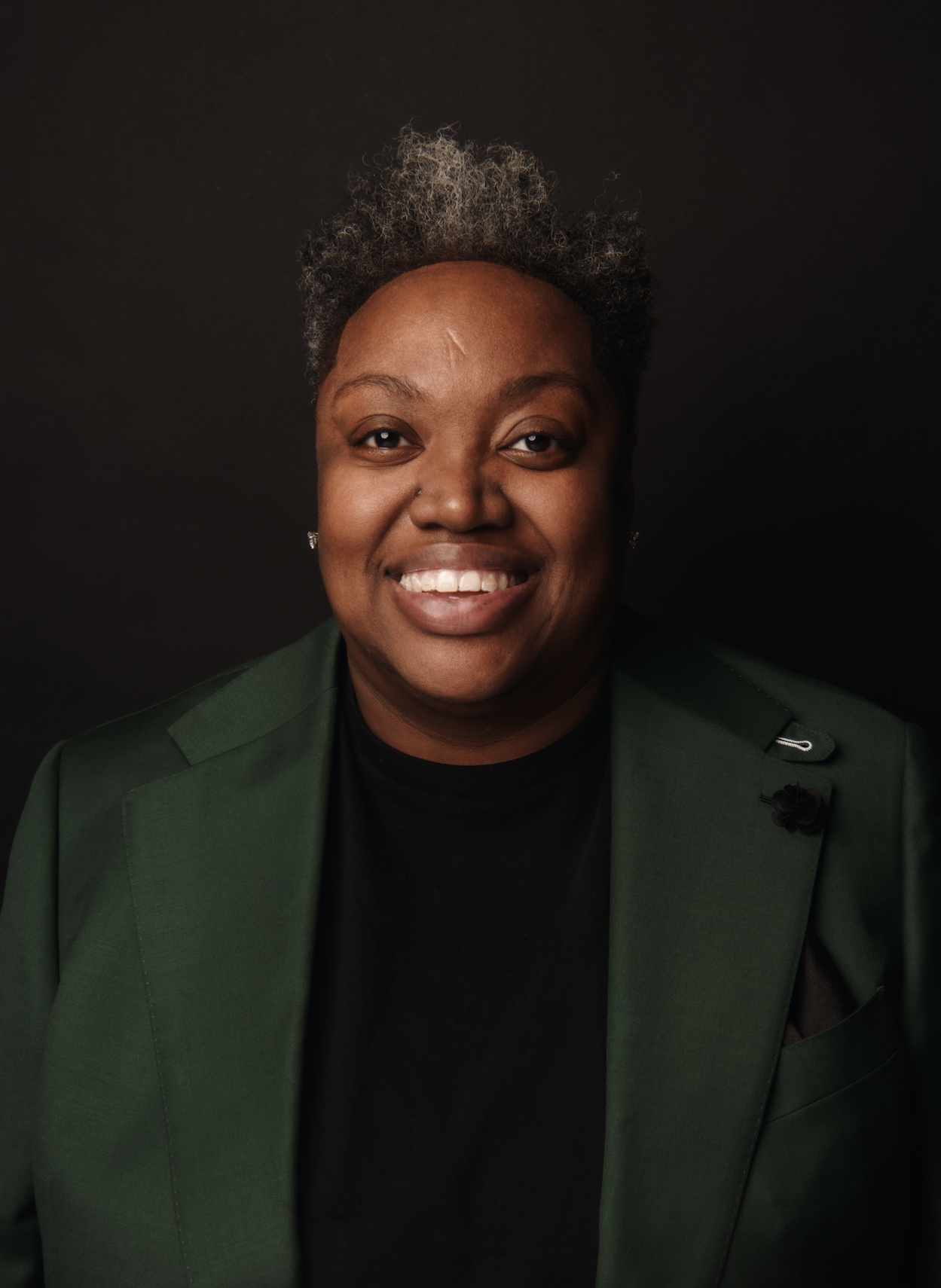
“Christina Ware left a 15-year corporate career to found GapBridge Strategies — connecting Detroit’s ecosystems so talent, capital, and opportunity finally meet.”
It is New Year's Eve at a home in West Bloomfield. A Tribe Called Quest is on the radio. Christina Ware is not celebrating yet. She is working. She is at the table, writing goals for 2026, when two words surface and won't leave: change and impact.
This is not a vision board moment. This is an accounting. Fifteen years of corporate career on one side of the ledger. A pattern she had watched repeat itself across every sector she'd ever worked in, talented people, ambitious organizations, available resources, all moving in the same direction, never quite reaching each other. On the other side.
She chose the accounting.
Christina Ware introduces herself as a founder and ecosystem architect based in West Bloomfield. The title is precise by design.
She is becoming, in her own words, "an ecosystem architect by making meaningful connections that produce resources, opportunities, and access for the community." Not a connector. Not a consultant. An architect, someone who designs the load bearing structures, not just the decorative ones. The distinction matters because the work is structural. GapBridge Strategies, the firm she founded after leaving her corporate career, exists to build what no single organization can build alone: the pathways between people, institutions, and opportunity that determine who gets to participate in an economy.
She has given history one line to remember her by: "She turned relationships into opportunities, opportunities into impact, and built bridges so others could cross them."
That is not a tagline. That is a job description for a city that needs this work done.
Detroit is in a genuinely strange moment. The infrastructure of an innovation economy is taking shape, Michigan Central has opened, startups are arriving, workforce development programs are multiplying, and yet the distribution of that growth remains sharply uneven.
The numbers make the problem legible. According to Detroit Future City, the city carries nearly 40,000 tech jobs, with more than 410,000 tech sector positions spread across Metro Detroit. That is a significant regional asset. But access to capital and opportunity within that ecosystem has not been equally distributed, particularly for Black and Hispanic and Latino founders who remain systematically underrepresented at the table where those resources are allocated.
The cost of that exclusion is not abstract. Research from the Detroit Area Workforce Funders Collaborative estimates that
