
Dr. Marcus Webb Built SeaPharms for His Mom—and 10,000 More
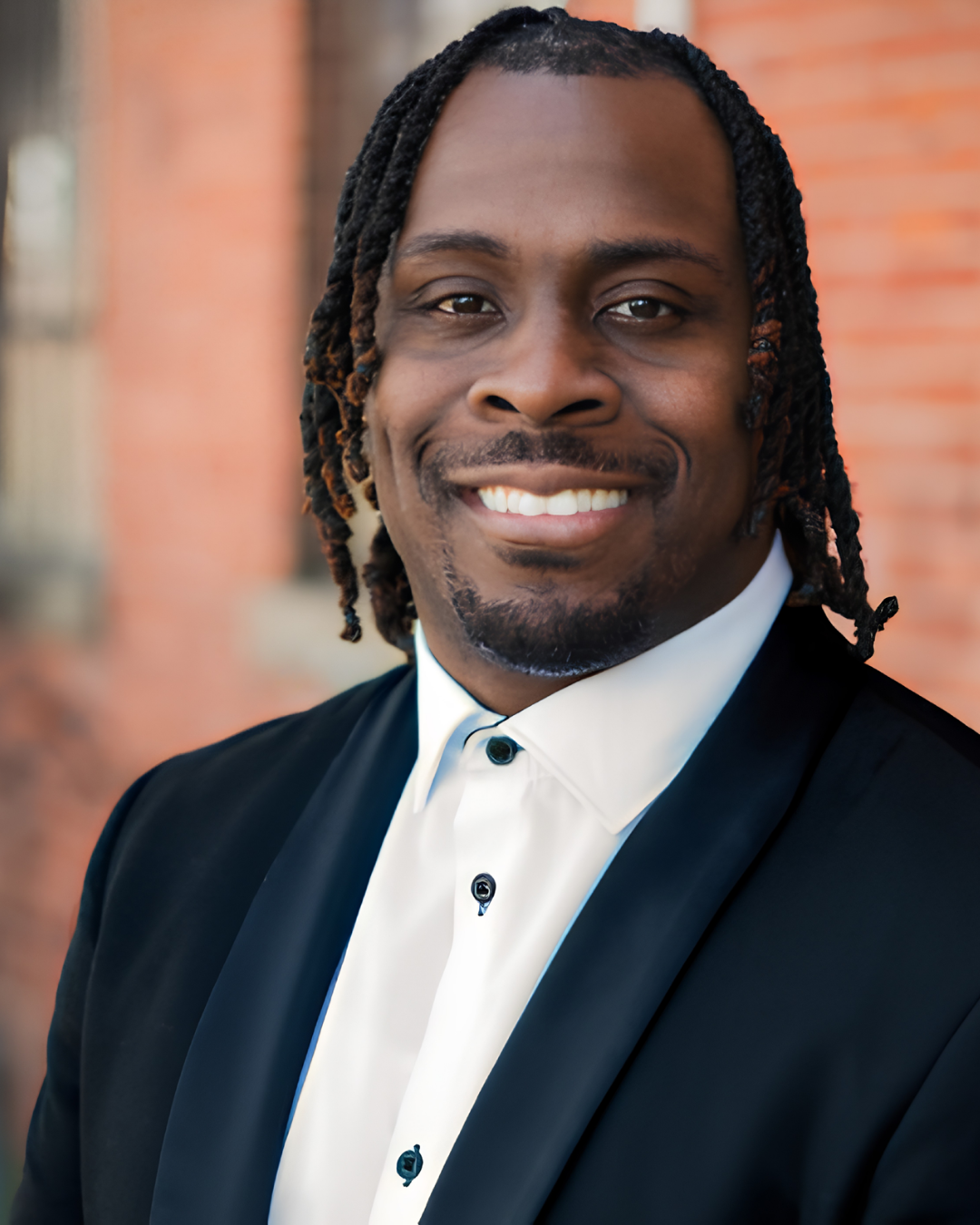
“From a Pontiac kitchen table to Meijer shelves, Dr. Marcus Webb built SeaPharms on one standard: good enough for his mom, good enough for everyone.”
In 2019, at a kitchen table in Pontiac, Michigan, Dr. Marcus Webb was doing what researchers do: reading. His mother had just been diagnosed with cancer, and he had heard about sea moss. Before he gave her a single serving, he studied the available literature — vitamins, minerals, sourcing methods, safety profiles. He compared suppliers. He evaluated quality standards. He was not chasing a trend. He was making a decision the way a son makes a decision when the stakes are his mother's life.
That table is where SeaPharms was born — not in a startup incubator, not at a pitch competition, but in the quiet discipline of a man who refused to guess.
Dr. Marcus Webb is the Founder and CEO of SeaPharms, based in Pontiac, Michigan. He describes his work with precision: he is becoming a wellness innovator by building a company that makes sea moss accessible for every healthy lifestyle through a diverse line of products. Not a disruptor. Not a guru. A builder — working product by product, retailer by retailer, toward a simple proposition: natural wellness should not require a medical degree to navigate or a premium income to afford.
The wellness industry is enormous and, for many Americans, largely inaccessible — not because of geography alone, but because of trust. Chronic diseases now account for 70 percent of deaths in the United States, according to the Centers for Disease Control and Prevention, and fewer than one in ten Americans consume the recommended daily amount of vegetables. At the same time, the USDA reported that 13.7 percent of U.S. households experienced food insecurity in 2024 — a figure that makes healthy choices not just a personal challenge but a structural one. These are not abstractions. They are the conditions under which millions of people make — or cannot make — decisions about what they put in their bodies.
Into this landscape, a growing functional food and supplement market has produced a flood of products and an equal flood of confusion. Consumers are navigating an aisle of claims with no consistent standard of proof. What is missing is not innovation — it is trust. That gap is exactly where Webb placed his flag.
Sea moss, when Webb entered the market, was not a staple of mainstream retail. It was an ingredient that lived on the edges — popular in certain communities, circulating on social media, but largely unrecognized by the grocery buyers who controlled shelf space. Before a single product could reach a store, Webb had to answer every question a skeptical buyer would ask: Is it safe? Is it consistent? Who made it, and how? Earning that trust was not a marketing problem. It was a credentialing problem — and it required documentation, third-party lab testing, and professional manufacturing standards before the conversation could even begin.
The hinge was already in the research. When Webb spent those hours at his kitchen table in Pontiac — not reading health blogs, but studying what the science actually said about sea moss — he was already building the standard that would define the company. The choice was not dramatic. It was methodical: if the evidence held, and the sourcing was right, and the safety was verifiable, then he would build it. That same rigor became the non-negotiable foundation of SeaPharms. He had already decided what "good enough" meant. Everything else was execution.
Webb sourced Caribbean sea moss, evaluated suppliers for quality and consistency, and commissioned third-party lab testing to verify what he was putting into every product — the same verification standard he had applied before giving anything to his mother. He identified a visible gap in grocery retail: natural sea moss products with documented quality behind them were simply not on shelves. That observation became a business thesis. He built toward it, product by product, working through the certifications and manufacturing processes that serious retail placement requires.
The hard lesson came in the building: "No one will believe in your vision more than you do," Webb says. Early on, he expected others to see the opportunity with the same clarity and match his investment in it. They didn't — not because the vision was wrong, but because that is how entrepreneurship works. The founder carries it first.
The standard Webb set in that Pontiac kitchen is not just a founding story — it is what separates a trusted brand from a trending product. Since launching in 2023, SeaPharms has placed its products in retailers including Meijer and Fresh Thyme Market, reaching approximately 20 locations (self-reported). The company has served an estimated 10,000+ customers (self-reported). Webb has earned recognition as a Making Michigan Vendor Award winner (confirmed; award year pending verification). Every product in the SeaPharms line is built on Caribbean-sourced sea moss that has been third-party lab tested for safety and quality — the same standard Webb applied before giving sea moss to his mother.
What Webb is building in Pontiac has implications that extend well past his product line. The narrative of who gets to build a trusted consumer brand — who gets to stand in a Meijer aisle and say "I made that" — has historically been shaped by access to capital, to industry networks, to the informal credentialing systems that reward insiders. Webb entered that system from the outside, from a personal health crisis, from a kitchen table, and earned his way to mainstream retail through documentation and discipline.
When the next founder from Pontiac or Flint or Detroit's east side looks at that shelf and sees SeaPharms, they see proof that the standard is achievable — not just for founders with connections, but for founders with conviction and receipts. That proof compounds. It changes what people believe is possible before they write their first business plan. That is how ecosystems shift: not through one announcement, but through accumulated evidence that the door can be opened.
Share this story with one person who has a dream — someone who is sitting at their own kitchen table trying to figure out if what they see in their head is real enough to build. Show them what Dr. Marcus Webb built in Pontiac, and ask them what they are waiting for. If you are rooting for Michigan's wellness economy to be led by the people who actually live here, then champion the founders — like Webb — who are already doing the work.
